#IndustrialCeramics #PrecisionCeramics #CustomCeramicParts #AluminaCeramics #ZirconiaCeramics #WearResistantCeramics #CorrosionResistantCeramics #SemiconductorCeramics #TextileCeramics #ChemicalCeramics #InsulatingCeramics #CNCCeramicMachining #xinluoceramic
In modern industrial systems, precision ceramic components face multiple performance challenges. Structural stability at high temperatures, durability in highly corrosive media, and wear resistance during high-speed operation all place stringent demands on ceramic materials. Traditional standard ceramic parts often struggle to simultaneously optimize insulation, mechanical strength, and dimensional accuracy in specific scenarios, resulting in frequent equipment downtime and interruptions to production continuity. This technical bottleneck is particularly pronounced in sectors such as electrical, textile, and chemical industries: electrical equipment requires stable insulation under high voltage, textile machinery guide parts must withstand high-speed friction, and chemical equipment needs to resist strong acid and alkali corrosion. There is an urgent industry need to establish a comprehensive technical system—from material formulation to precision machining—to meet the demands of mass production for customized ceramic components.
In the field of industrial ceramics, our company has integrated powder pressing, precision machining, and performance testing processes to form customized solutions tailored to specific operating conditions. The company is equipped with isostatic presses, automatic powder presses, as well as CNC lathes and double-sided grinding machines—providing the hardware foundation for high-precision manufacturing of complex ceramic parts. In the electrical ceramics sector, we deliver stable insulating components for high-voltage power equipment through advanced insulation protection technologies. In the textile ceramics segment, wear-resistant guide parts treated with single-sided polishing and grinding significantly extend the service life of mechanical components. For engineering ceramics, structurally supporting components produced with high-density forming techniques ensure the long-term operation of chemical equipment in highly corrosive environments.
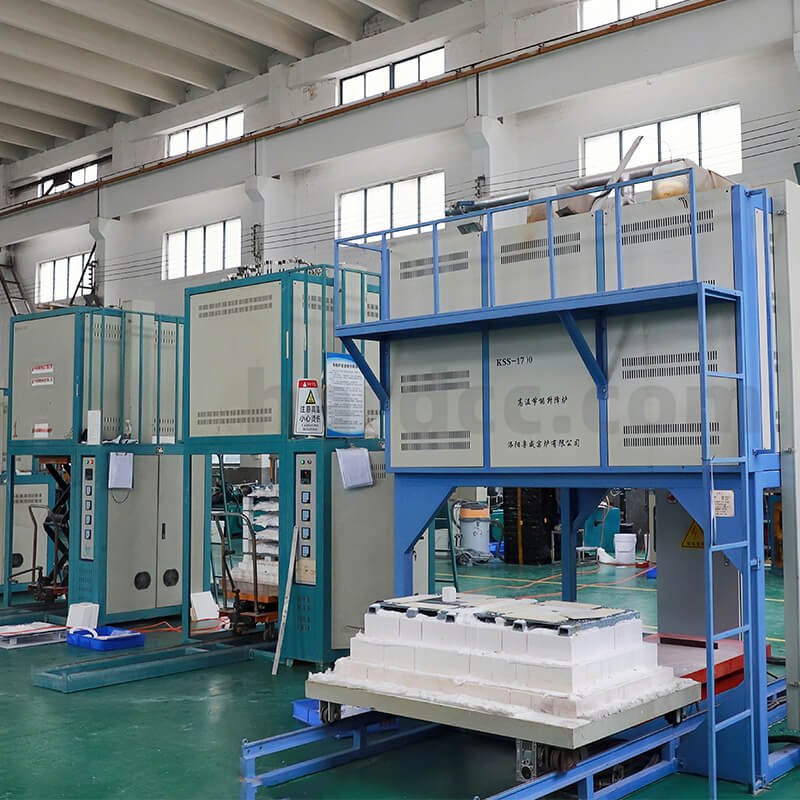
The density of ceramic green bodies directly affects the mechanical strength and corrosion resistance of the finished products. Isostatic presses and automatic powder presses apply uniform pressure to densely pack ceramic powder particles, eliminating the density gradient issues caused by traditional uniaxial pressing. After high-temperature sintering, the grains within the green body fully grow, forming a dense microstructure that endows ceramic components with stable support capabilities even in extreme environments.
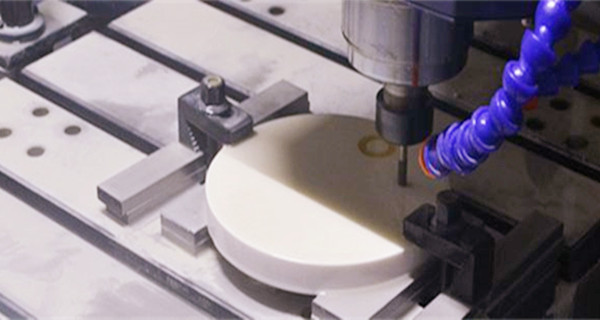
The main challenge in manufacturing shaped ceramic parts lies in the accurate reproduction of complex geometries. By combining automatic hot-press injection machines and CNC lathes, it is possible to achieve three-dimensional contour machining for multi-curved ceramic components. Surface roughness testers monitor machining precision to ensure that the surface roughness of textile ceramic components is kept within specified limits, reducing the friction coefficient of fibers. Industrial projectors are used to measure geometric dimensions, verifying that customized parts such as ceramic nozzles and ceramic tubes match the design drawings and meet the strict tolerance requirements for mechanical assembly.
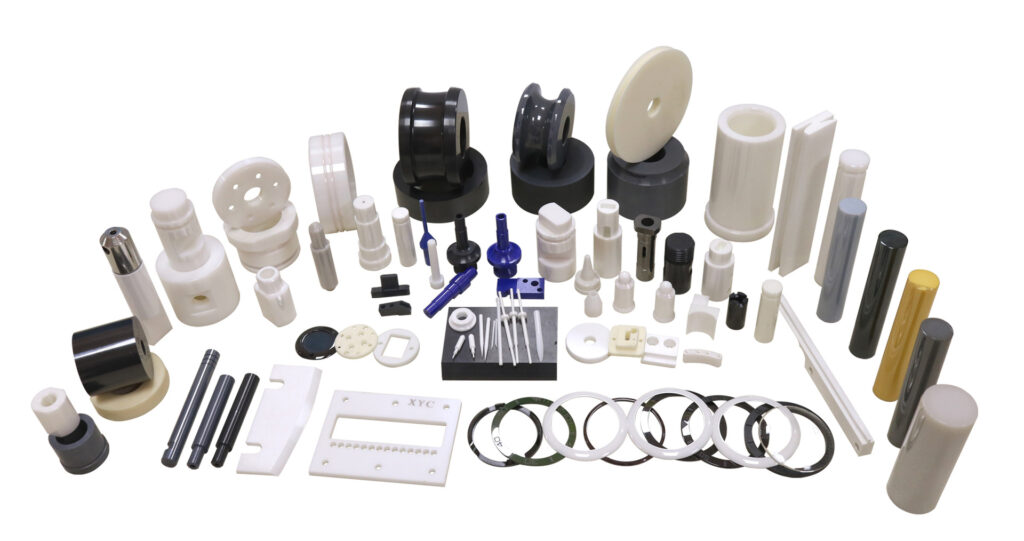
Industrial ceramics are evolving from single-material systems to composite structures. Modification research on traditional materials such as alumina and zirconia continues to deepen; by adding toughening phases or adjusting sintering processes, fracture toughness can be improved while maintaining hardness. This trend toward diversified material properties enables ceramic components to adapt to a broader range of operating conditions, laying the foundation for cross-industry applications.
The integration of automated forming equipment and CNC machining technology is reshaping production models. Programmable control of hydraulic presses and automatic powder presses has significantly improved product consistency in mass production. The introduction of precision machining equipment such as centerless grinders and engraving machines has pushed the dimensional accuracy of ceramic parts to the sub-micron level, creating new opportunities for advanced applications in precision machinery.
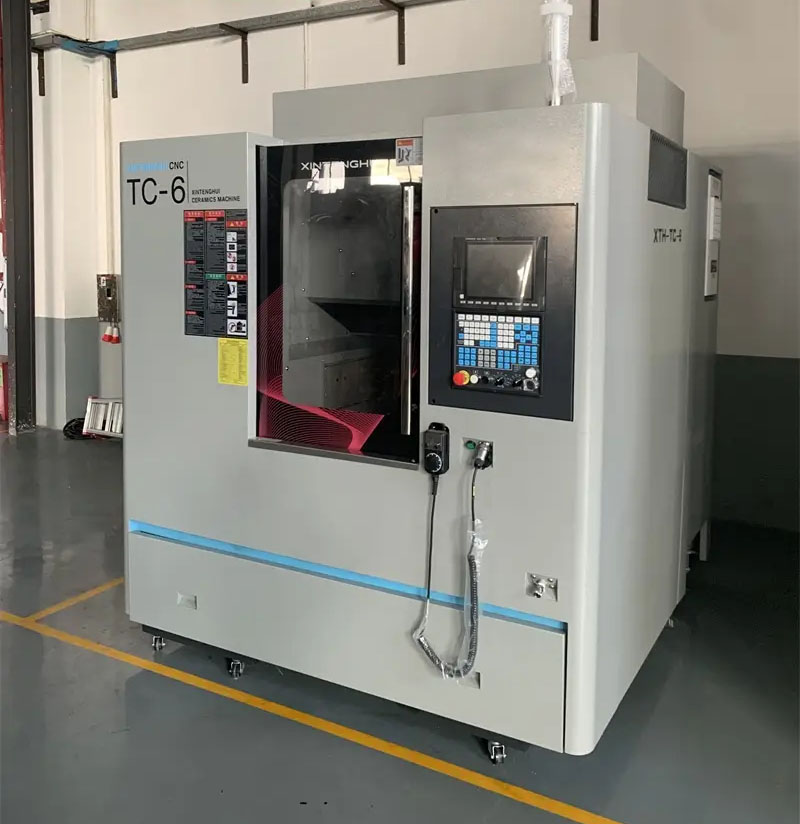
With the expansion of application scenarios, the performance evaluation system for ceramic components is becoming increasingly comprehensive. Multi-dimensional testing methods—ranging from surface roughness and insulation resistance to geometric dimensions and dielectric strength—establish a robust framework for comprehensive assessment. Through the continuous implementation of the ISO9001 certification system, companies have shifted quality control checkpoints to the early stages of raw material selection and process parameter setting, enabling preventive management of defects. This technological accumulation is reflected in the precise control of ceramic materials’ microstructures and in the optimization experience of process parameters for specific operating conditions. These practical achievements provide replicable technical references for industries such as machinery, chemical engineering, and electronics, and are driving the transformation of industrial ceramics from standard parts to customized solutions.
For industrial users, selecting customized ceramic components requires consideration across three key dimensions:
- Operating Condition Compatibility:The evaluation should specify the temperature range, types of corrosive media, and levels of mechanical stress in the intended environment, thereby determining the appropriate material and performance indicators.
- Manufacturing Capability Verification:It is essential to assess whether the supplier possesses a complete chain of forming and machining equipment, along with corresponding testing methods, to ensure the realization of complex geometries and strict tolerance requirements.
- Quality System Review:Attention should be paid to whether the company has established systematic quality management processes, with clear control standards and traceability mechanisms for every stage, from raw material inspection on entry to final product performance testing.
As manufacturing advances toward higher precision and sophistication, the demand for customized industrial ceramic components will continue to grow. Establishing a collaborative mechanism among materials science research, precision processing technology, and quality inspection systems is a key pathway for driving technological progress in the industry.
Reliable custom industrial ceramic solutions. Contact us now!
Our website: http://www.xinluoceramic.com
WhatsApp / Tel: +86-158 6906 9683
Email: cora@xinluoceramic.com