James Lin

With 10+ years in advanced ceramic materials and global supply chains, my focus is on ensuring engineers receive ceramic components that perform consistently in real operating conditions — not just parts that look right on a datasheet. I help industrial engineers select and source advanced ceramic tubes — Alumina, Zirconia, and Silicon Carbide — for high-temperature furnaces, heat treatment systems, and demanding industrial applications. Beyond tubes, I also work with engineers on crucibles, rods, plates, rings, and fully custom ceramic components across a wide range of advanced ceramic materials.

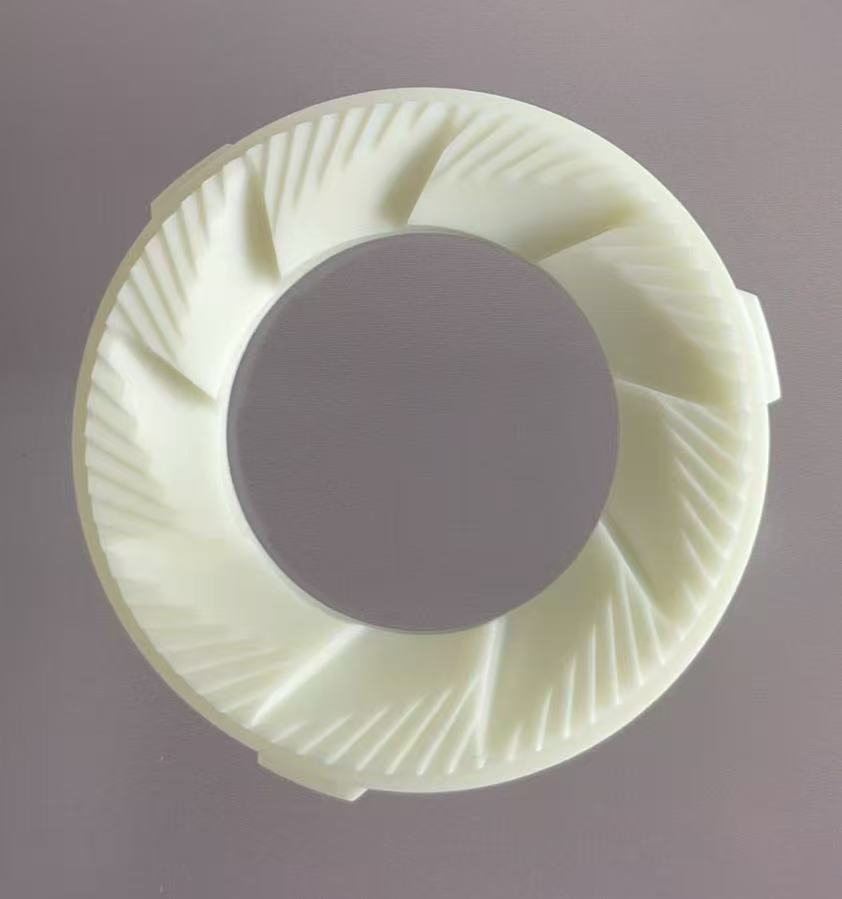
Ceramic Coffee Grinder Burrs

Why Advanced Ceramics Matter in Precision Grinding Coffee grinder burrs are one of the most important components in determining grinding consistency, particle size distribution, heat generation, and ultimately coffee extraction quality. While metal burrs are widely used in commercial and high-performance coffee grinders, ceramic coffee grinder burrs have become an important solution for applications requiring […]

Ceramic Coffee Grinder Burrs Read More »

XinLuo Technology (XinLuo Ceramics) Shines at the 8th Precision Ceramics Exhibition 2026

The 8th Precision Ceramics Industry Chain Exhibition and Concurrent Industry Forum concluded successfully in Shenzhen from August 26th to 28th, 2026! As a trusted manufacturer with over 10 years of deep expertise in advanced precision ceramics, Shenzhen XinLuo Technology Co., Ltd. (XinLuo Ceramics) actively participated in the exhibition forums and industrial matchmaking activities, connecting with

XinLuo Technology (XinLuo Ceramics) Shines at the 8th Precision Ceramics Exhibition 2026 Read More »

Ceramic Bearings: The Complete Guide to High-Performance Advanced Ceramics

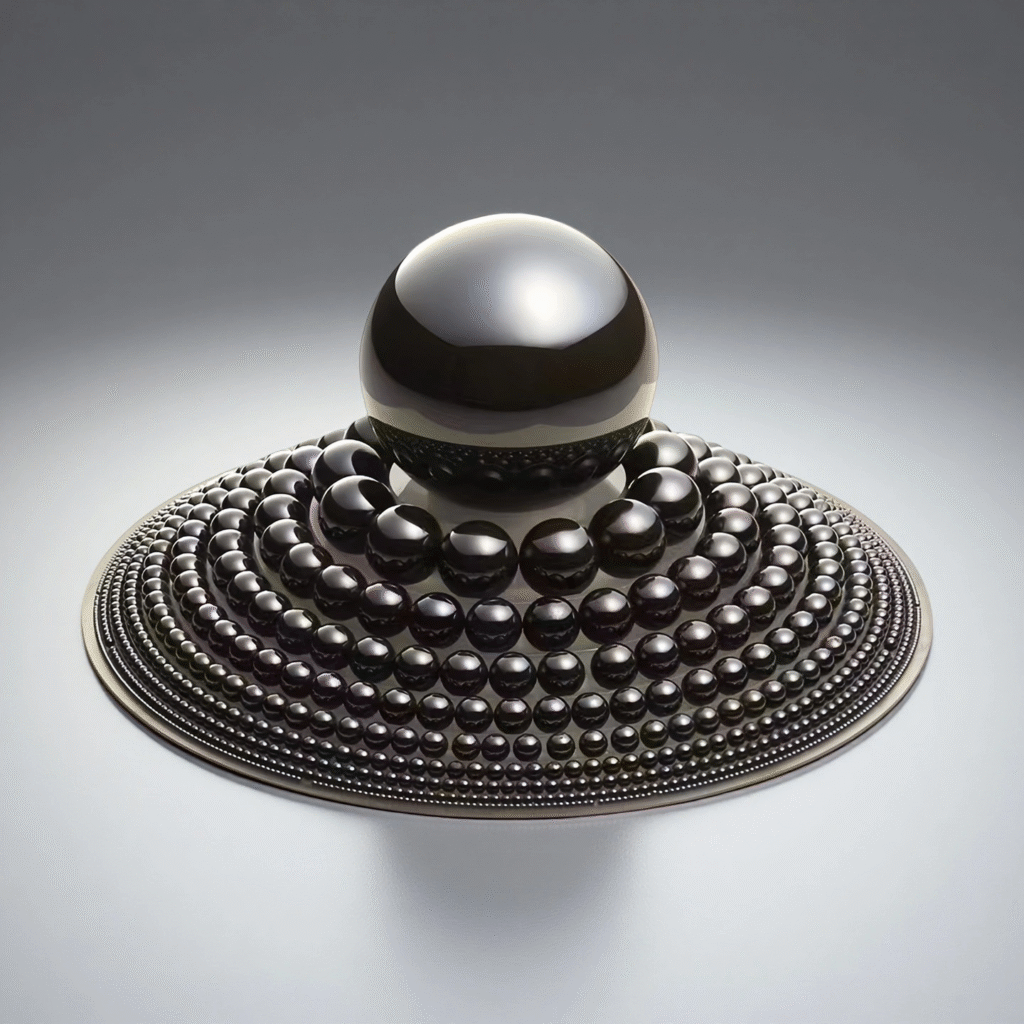
What Are Ceramic Bearings? Ceramic bearings are high-performance components made from advanced ceramics such as silicon nitride (Si₃N₄) and zirconia (ZrO₂). Compared to traditional steel bearings, they offer superior strength, reduced friction, and exceptional resistance to heat, wear, and corrosion. These properties make ceramic ball bearings a preferred choice in industries that demand precision, durability,

Ceramic Bearings: The Complete Guide to High-Performance Advanced Ceramics Read More »

Ceramic Package Shells: The Key to Optical Module Packaging

A ceramic package shell, also known as a ceramic encapsulation housing, is a type of packaging enclosure fabricated from ceramic raw materials. The ceramic shell provides hermetic sealing protection for the chip, endowing it with excellent reliability, high wiring density, and extreme stability in terms of electrical, thermal, and mechanical properties. In optical modules, the

Ceramic Package Shells: The Key to Optical Module Packaging Read More »

Roller Changes Too Frequent on Solar & Battery Lines? Can Silicon Nitride Ceramic Rollers Survive High-Temperature Wear?

Maintenance engineers on production lines have likely felt it in recent years: metal rollers are increasingly “struggling” in solar cell sintering, battery coating, and high-speed wire rod finishing positions. Once temperatures exceed 600°C, the material begins to soften and deform, and metal ions leach into the product. As the frequency of roller changes rises, the

Roller Changes Too Frequent on Solar & Battery Lines? Can Silicon Nitride Ceramic Rollers Survive High-Temperature Wear? Read More »

Always Chipping When Drilling Holes in AlN Substrates for IGBT/SiC Modules? Quantifying Operating Conditions Is the Key to Making the Right Selection

Engineers designing thermal management for power modules have likely noticed recently that as SiC and IGBT devices push higher voltages and currents, the substrate’s heat dissipation becomes the bottleneck. Aluminum nitride (AlN) ceramics—with a thermal conductivity of 170–230 W/(m·K), a CTE of 4.5×10⁻⁶/K matching silicon, and electrical insulation—should be the star student on paper. But

Always Chipping When Drilling Holes in AlN Substrates for IGBT/SiC Modules? Quantifying Operating Conditions Is the Key to Making the Right Selection Read More »

Pressureless Sintered Silicon Carbide: When Tungsten Carbide Meets 400°C+ Acid, Why Pressureless Sintered Silicon Carbide Doesn’t Flinch

Most engineers who do production line maintenance share a common experience: those seal rings, rollers, and wear liners stamped “tungsten carbide/cemented carbide” hold up reasonably well under pure abrasive wear. But once the operating conditions escalate into that triple threat of high temperature, corrosion, and particle-laden erosion, the service life becomes unpredictable. The cobalt binder

Pressureless Sintered Silicon Carbide: When Tungsten Carbide Meets 400°C+ Acid, Why Pressureless Sintered Silicon Carbide Doesn’t Flinch Read More »

Are Silicon Carbide Grounding Clamps Worth Switching To? A Practical Assessment from Technical Specs to Scenario-Based Selection

If you work in power grounding components, you’ve probably been asked this a lot lately: traditional galvanized steel clamps work just fine—why switch to silicon carbide ceramic ones? Honestly, not every scenario calls for a change. But there are a few operating conditions—coastal wind farm tower foundations, substations in chemical industrial zones, and high-speed rail

Are Silicon Carbide Grounding Clamps Worth Switching To? A Practical Assessment from Technical Specs to Scenario-Based Selection Read More »

How to Choose High-Temperature Kiln Rollers Without Getting Burned—From Specifications to Scenarios, Here’s a Clear Walkthrough

When a roller bends in a roller hearth kiln, the entire line has to stop. In the past couple of years, as new energy kilns have multiplied, the clients coming to us about silicon carbide rollers aren’t asking “how much per piece” anymore. Their biggest question is: “Will the deflection exceed tolerance after six months

How to Choose High-Temperature Kiln Rollers Without Getting Burned—From Specifications to Scenarios, Here’s a Clear Walkthrough Read More »

Process Characteristics and Quality Control Pain Points in Precision Ceramic Manufacturing

I. Full-Process Production Characteristics of Precision Ceramics Precision ceramic manufacturing is a complex systems engineering process involving multiple processes and variables. From raw material input to final product output, the entire workflow typically encompasses dozens of critical steps, and parameter fluctuations at any stage can ultimately translate into product defects. The core production process can

Process Characteristics and Quality Control Pain Points in Precision Ceramic Manufacturing Read More »