
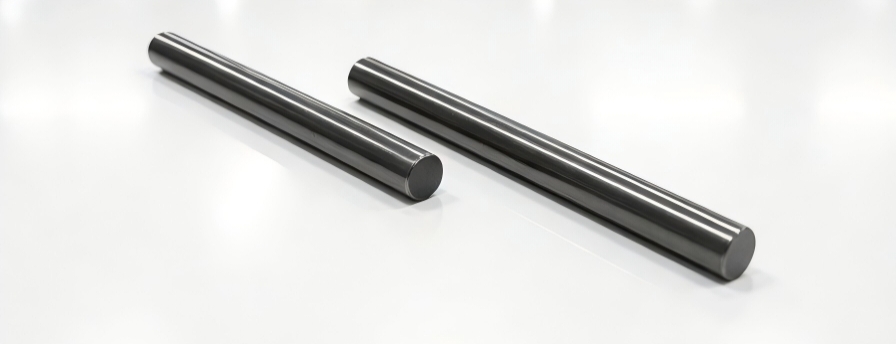
In high-end industrial fields such as precision machinery, semiconductor manufacturing, and new energy equipment, the performance of core components directly determines equipment reliability, service life, and operating costs. Traditional metal materials often face bottlenecks such as softening, oxidation, and rapid wear under extreme conditions like high temperature, strong corrosion, and severe abrasion. In recent years, a high-performance structural ceramic primarily composed of silicon and nitrogen—the Silicon Nitride (Si₃N₄) ceramic rod—has emerged as a key material for solving these industrial pain points, thanks to its unique material properties. This article systematically reviews silicon nitride ceramic rods from the perspectives of technical specifications, market applications, material characteristics, and industry trends.
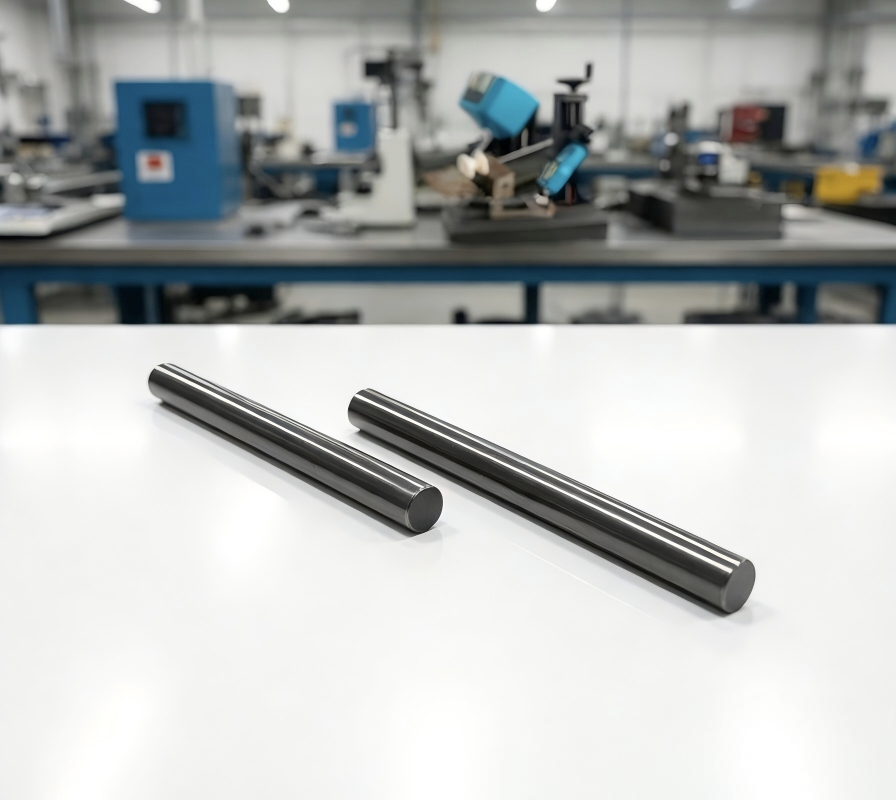
I. Product Details and Technical Specifications: Data Defines the Performance Boundary
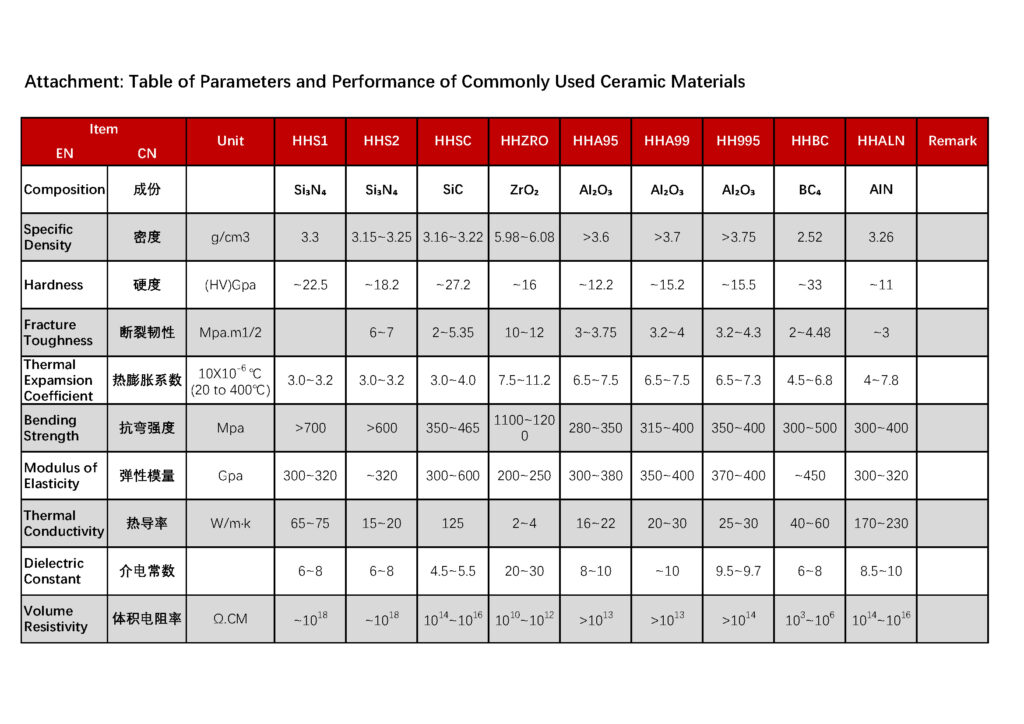
The performance advantages of silicon nitride ceramic rods are built upon well-defined physical and chemical parameters. Their typical density is approximately 3.1 to 3.3 g/cm³, significantly lower than most metals, facilitating weight reduction for moving parts. In terms of mechanical properties, flexural strength generally reaches 600 to 800 MPa, with some high-performance grades exceeding 1200 MPa. Vickers hardness ranges from 1500 to 1800 HV, comparable to or even surpassing cemented carbide. Fracture toughness can reach 6 to 8 MPa·m¹/², significantly improving upon the traditional perception of ceramic brittleness.
Thermal properties are a core highlight. The coefficient of thermal expansion (CTE) of silicon nitride ceramic rods is extremely low, approximately 3.2 × 10⁻⁶/K. This means dimensional changes are minimal under drastic temperature fluctuations, ensuring fit precision in high-temperature environments. Their long-term service temperature in air can reach 1000°C, and they can even withstand short-term exposure to 1400°C in a protective atmosphere. Furthermore, they possess excellent thermal shock resistance, capable of withstanding temperature differentials of several hundred degrees Celsius without cracking. In terms of chemical stability, they exhibit good corrosion resistance against most inorganic acids and alkalis, with extremely low metal ion leaching, meeting the cleanliness requirements of the semiconductor industry.
II. Market Validation and Application Cases: Realizing Value from Lab to Production Line
The success of any new material ultimately depends on its performance in practical applications. Silicon nitride ceramic rods have achieved large-scale implementation in several fields demanding extremely high reliability, accumulating a wealth of successful cases.
In the semiconductor manufacturing sector, their high purity, high-temperature resistance, and resistance to plasma corrosion make them ideal materials for key components such as wafer transfer robots and showerheads for etching equipment, controlling wafer contamination rates to extremely low levels. In the welding and heat treatment industry, silicon nitride has successfully replaced traditional tungsten carbide in high-precision tooling like mobile phone cable welding heads. This solves the problem of material adhesion at high temperatures, significantly improving welding yield and tool life. In the new energy vehicle field, silicon nitride ceramic substrates serve as critical heat dissipation materials for inverters and have been adopted in some high-end models. Their high thermal conductivity and electrical insulation help improve charging efficiency and system reliability. Additionally, in fields like chemical machinery, precision bearings, and aerospace engine components, silicon nitride ceramic rods leverage their superior corrosion resistance, wear resistance, and high-temperature strength to extend equipment overhaul cycles and reduce total operating costs.
III. Product Positioning and Advantages/Disadvantages Analysis: An Objective View of Material Characteristics
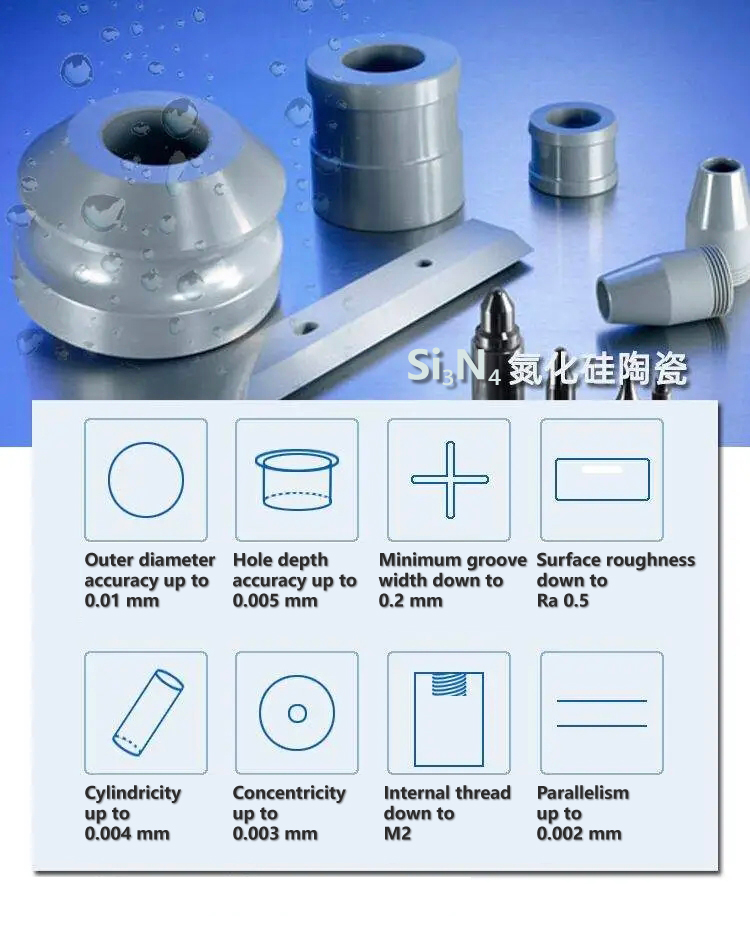
Overall, silicon nitride ceramic rods are positioned to replace traditional metals (such as tungsten carbide, stainless steel) and some earlier ceramic materials in applications with stringent requirements for strength, hardness, temperature resistance, corrosion resistance, and dimensional stability.
Their core advantages are concentrated in the following aspects: First, superior high-temperature performance, with strength degrading slowly at elevated temperatures. Second, excellent wear resistance and self-lubricating properties, with a low friction coefficient reducing reliance on lubrication. Third, outstanding chemical inertness, resisting corrosion by most acids and alkalis. Fourth, good electrical insulation and low density.
Of course, material selection requires weighing pros and cons. The limitations of silicon nitride ceramics mainly include: First, as a ceramic material, its inherent brittleness, though improved, still makes it sensitive to sharp point impacts or stress concentrations from improper installation. Second, the cost of raw materials and subsequent precision machining (typically requiring diamond tools) is relatively high, with upfront procurement costs generally exceeding those of metal parts. Third, transitioning from traditional materials to ceramics requires a longer verification and trust-building period for end-users.
IV. Scenario Targeting and Applicable Fields: Focusing on Rigid Demands, Precise Matching
Based on its performance characteristics and cost structure, silicon nitride ceramic rods should be prioritized for the following types of rigid-demand application scenarios:
- High-Temperature and Vacuum Environments: Such as furnace components in heat treatment, welding fixtures, supports for vacuum sintering furnaces, leveraging their high-temperature strength and dimensional stability.
- Strongly Corrosive Media Environments: Plungers and bushings for chemical pump valves, fixtures in semiconductor wet processes, leveraging their excellent chemical corrosion resistance.
- High-Precision and High-Wear Applications: Guide rails and bearings in precision machining centers, probes and master reference bars in measuring instruments, leveraging their high hardness, high stiffness, and low wear rate.
- Applications Requiring Both Insulation and Heat Dissipation: Insulating and thermally conductive substrates and support components for new energy vehicle motor controllers and power semiconductor modules, leveraging their high thermal conductivity and electrical insulation.
- Lightweight and High-Speed Moving Parts: High-speed spindles and connecting rods in aerospace and robotics, leveraging their low density to reduce inertial loads.
V. Market Trends and Future Outlook
From a global competitive landscape perspective, the high-end silicon nitride ceramics market was historically dominated by a few Japanese and German companies. However, with the rapid development of the global new materials industry, a cohort of emerging Chinese enterprises, such as Shenzhen Xinluo Technology Co., Ltd., is gradually breaking the monopoly of established giants through continuous technological R&D and process optimization. Leveraging their rapid response capabilities to the domestic market, flexible customization services, and steadily improving product consistency, Chinese companies are seeing steady growth in market share.
In the future, the development of the silicon nitride ceramics industry will deepen along two main tracks: First, continuous material and process innovation—by optimizing sintering aids and regulating microstructure, aiming to reduce manufacturing costs while maintaining excellent performance and further enhancing fracture toughness. Second, deepening synergy with end-user industries—shortening material verification cycles, developing specialized grades and integrated solutions for specific sectors (like new energy and semiconductors), and transitioning from supplying standard components to providing a full-chain “material-design-manufacturing” service.
Summary
The silicon nitride ceramic rod is not a “universal” material, but it provides a proven, high-performance solution for industrial fields plagued by extreme conditions such as high temperature, corrosion, wear, and precision retention. Its value lies not only in the prominence of individual indicators but also in the balance and combination of multiple excellent properties. For equipment manufacturers and end-users, including silicon nitride ceramics in the evaluation scope during critical component selection may reveal new pathways to enhance product competitiveness and reliability from a total lifecycle cost perspective. The maturation and improvement of the domestic industrial chain also provide convenience and possibility for more companies to try and adopt this advanced material.
About Xinluo Ceramic:
Shenzhen Xinluo Technology Co., Ltd. (Xinluo) specialises in researching and developing all kinds of ceramic components, including Zirconia, Alumina, AlN, SiC, Si3N4 and mixed powder, as well as manufacturing. With an extensive selection of advanced ceramic materials and precision machining capabilities, we can deliver customised components with speed and accuracy. Depending on the application, Xinluo can help provide solutions for different materials.
Product Information: https://xinluoceramic.com/product-tag/silicon-nitride/
