
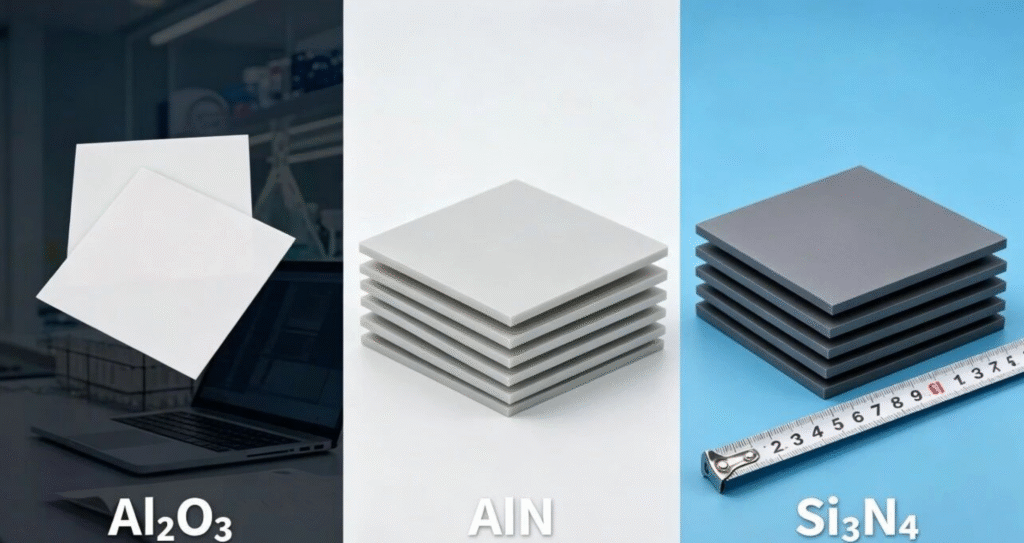
In recent years, electric vehicles, electric locomotives, semiconductor lighting, aerospace, and satellite communications have entered a phase of rapid development. The electronic devices used in these fields operate with high currents, high temperatures, and high frequencies. To ensure the stability of device and circuit operation, higher demands are placed on chip carriers. Ceramic substrates, with their excellent thermal performance, microwave properties, mechanical properties, and high reliability, are widely applicable in these areas.
Classified by material type, the main ceramic substrates currently available include Alumina (Al₂O₃) Ceramic Substrates, Aluminum Nitride (AlN) Ceramic Substrates, Silicon Nitride (Si₃N₄) Ceramic Substrates, Silicon Carbide (SiC) Ceramic Substrates, Beryllium Oxide (BeO) Ceramic Substrates, and Boron Nitride (BN) Ceramic Substrates.
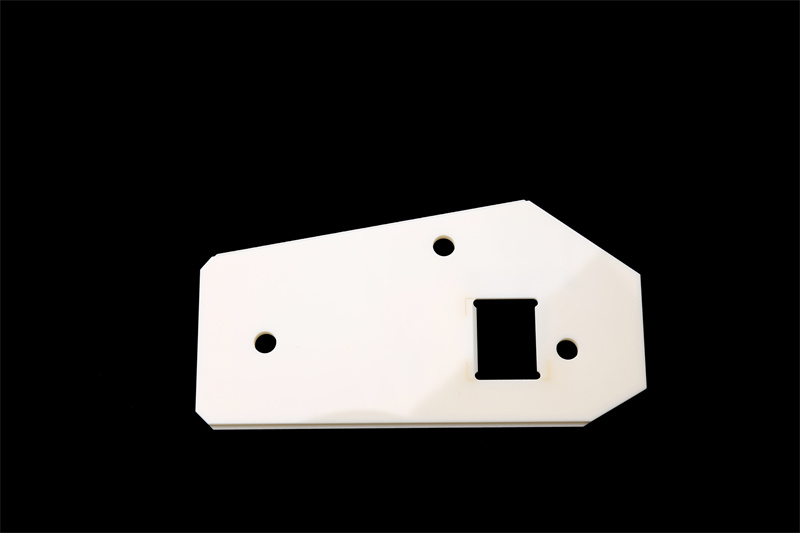
1. Alumina (Al₂O₃)
Alumina ceramics possess high hardness, with a Rockwell hardness of HRA 80-90, second only to diamond. Their wear resistance is equivalent to 266 times that of manganese steel and 171.5 times that of high-chromium cast iron. Under identical working conditions, they can extend equipment service life by at least tenfold. Furthermore, alumina ceramic substrates offer advantages such as high thermal conductivity, good electrical resistivity and thermal stability, and a low dielectric constant. This makes them the preferred material for a new generation of microelectronic devices and systems, widely used in aerospace, 5G communications, high-power semiconductors, high-power LED lighting, and other fields.
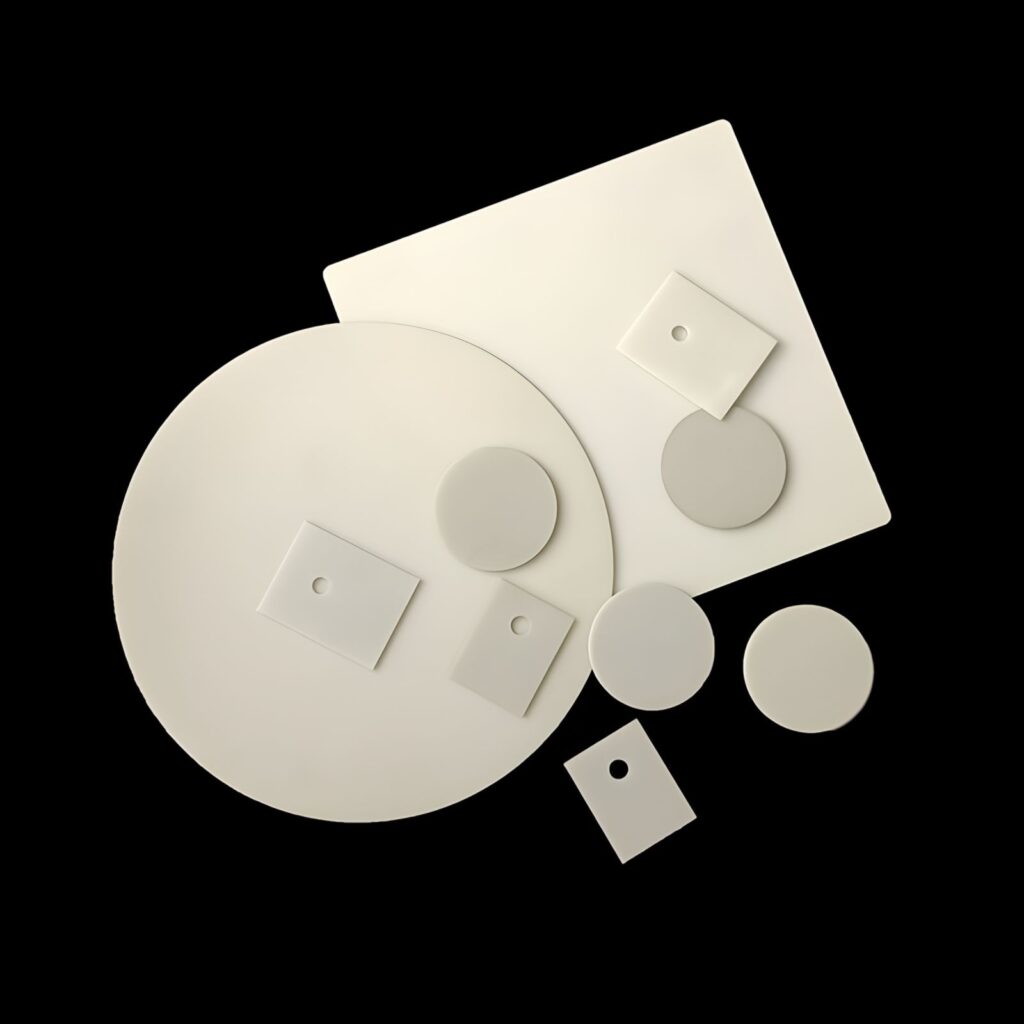
2. Aluminum Nitride (AlN)
Aluminum Nitride ceramic has become a highly popular material in the electronics industry in recent years. This is due to its high thermal conductivity (approaching that of SiC and BeO, and 5-10 times that of Al₂O₃), low dielectric constant and dielectric loss, excellent electrical insulation properties, and a coefficient of thermal expansion (CTE) that matches silicon (Si) and gallium arsenide (GaAs). Compared to beryllium oxide ceramics, aluminium nitride ceramic raw materials are non-toxic and have lower production costs. Therefore, AlN ceramics are currently considered ideal high-performance ceramic substrates and packaging materials, showing a strong trend towards gradually replacing highly toxic BeO ceramics and lower-performance Al₂O₃ ceramics.
The theoretical thermal conductivity of AlN ceramics can reach 320 W/(m·K). High-purity AlN is colourless and transparent, but its properties are easily affected by chemical purity and density. Defects within the crystal lattice, such as impurities, can readily cause phonon scattering, significantly reducing thermal conductivity.
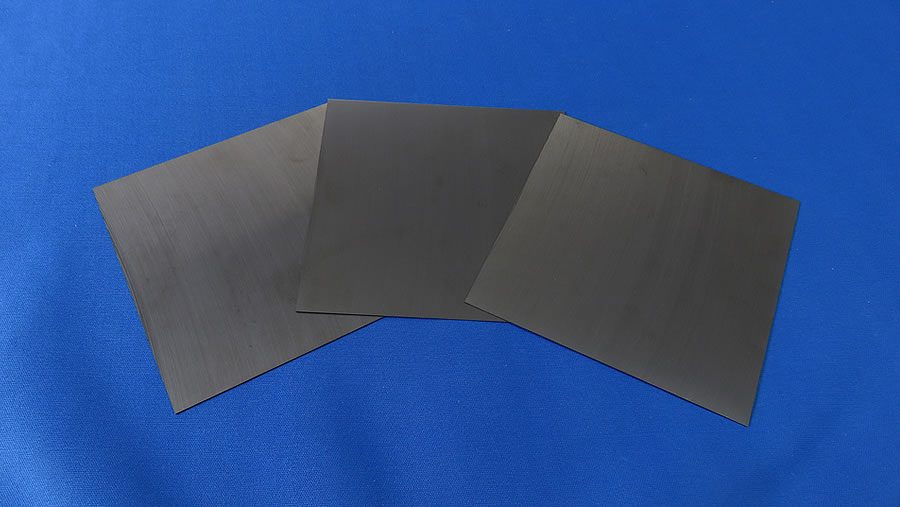
3. Silicon Nitride (Si₃N₄)
As an advanced ceramic material, silicon nitride possesses excellent high-temperature mechanical properties, chemical stability, thermal conductivity, and electrical insulation. It is a highly promising material for electronic substrates. Silicon nitride ceramic substrates exhibit outstanding high-temperature mechanical properties, including high creep resistance, oxidation resistance, and wear resistance. This makes them suitable for applications in extreme environments, such as aerospace, energy, and petrochemical industries. In the fields of electronics and thermal management, Si₃N₄ ceramic substrates offer excellent electrical insulation and high thermal conductivity, meeting the heat dissipation and packaging requirements of high-power, high-frequency devices. They can be widely used in important scenarios such as power semiconductor modules, high-frequency circuit substrates, and high-temperature electronic systems.
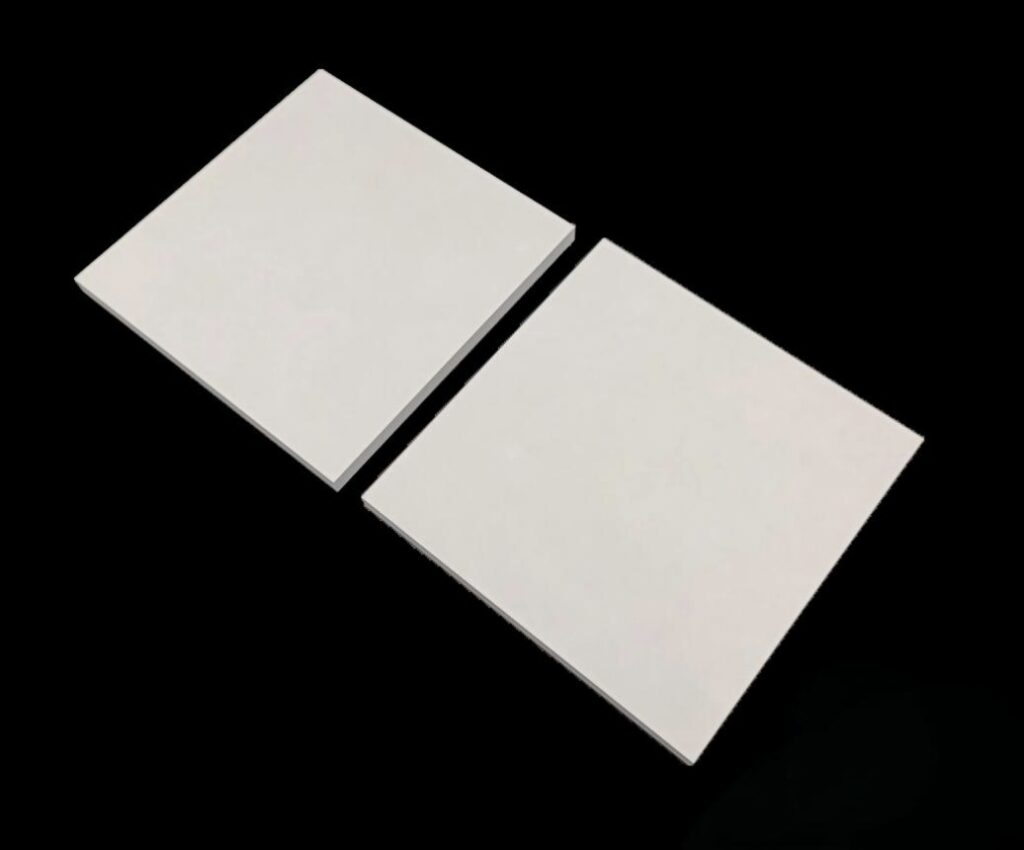
4. Boron Nitride (BN)
Boron nitride ceramics possess numerous excellent properties. BN has ultra-high thermal conductivity; the theoretically calculated thermal conductivity of hexagonal boron nitride (h-BN) nanosheets reaches 1700-2000 W/(m·K). BN also offers good high-temperature stability and oxidation resistance. It sublimes at 3000°C, can be used up to 900°C in an oxidizing atmosphere, up to 2000°C under vacuum conditions, and up to 2800°C in an inert atmosphere. In the field of semiconductor packaging, the thermal conductivity of BN ceramic substrates is three times that of traditional alumina substrates, effectively improving chip heat dissipation efficiency.
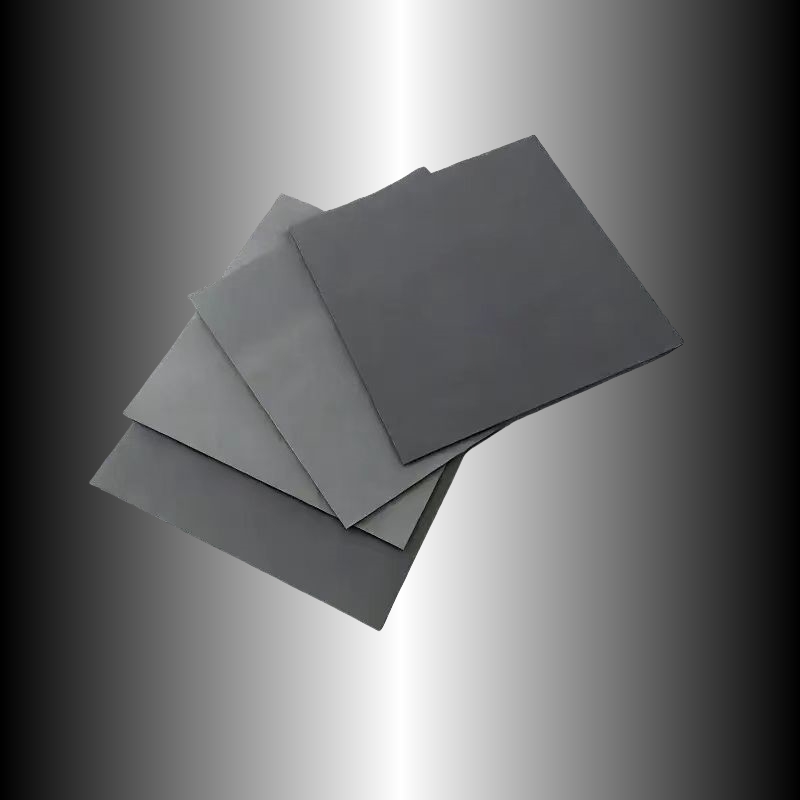
5. Silicon Carbide (SiC)
SiC materials are mainly divided into two categories: single-crystal and polycrystalline (ceramic). Single-crystal SiC belongs to the third-generation wide-bandgap semiconductor materials. It features a wide bandgap, high breakdown field strength, low on-resistance, high saturated electron mobility, high thermal conductivity, and excellent radiation resistance. This makes it extremely suitable for manufacturing electronic devices used in harsh environments such as high temperatures or high pressures. Polycrystalline SiC, or SiC ceramic, possesses good chemical stability, high-temperature resistance, wear and corrosion resistance, and can exhibit different characteristics depending on the forming and sintering processes used.
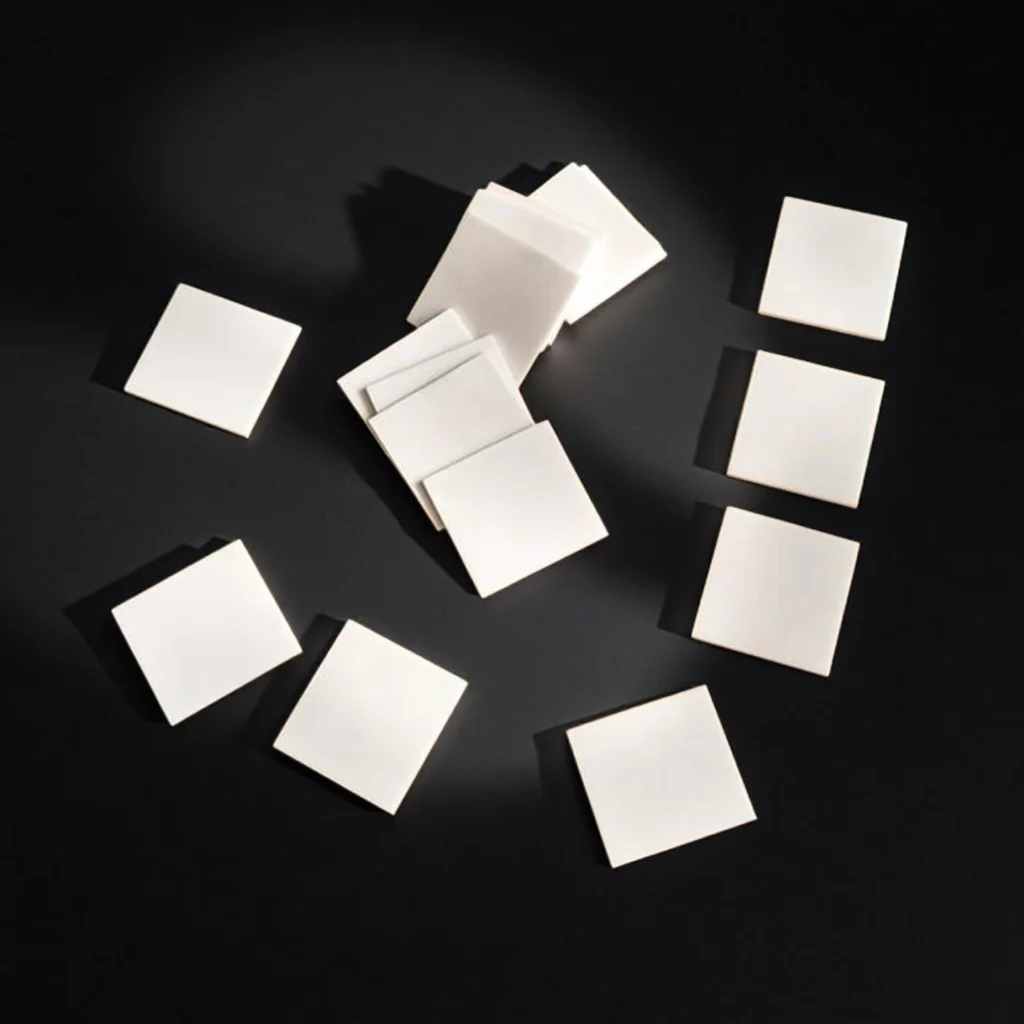
6. Beryllium Oxide (BeO)
Beryllium oxide ceramic substrates are particularly suitable for high-power electronic devices with extremely stringent heat dissipation requirements due to their high thermal conductivity, high melting point, high strength, high insulation, high chemical and thermal stability, low dielectric constant, low dielectric loss, and good process adaptability. However, BeO is a toxic substance. BeO dust generated during manufacturing and use poses serious hazards to human health and the environment.
About Xinluo Ceramic:
Xinluo Technology Co., Ltd. (Xinluo) specialises in researching and developing all kinds of ceramic components, including Zirconia, Alumina, AlN, SiC, Si3N4 and mixed powder, as well as manufacturing. With an extensive selection of advanced ceramic materials and precision machining capabilities, we can deliver customised components with speed and accuracy. Depending on the application, Xinluo can help provide solutions for different materials.
Product Information: https://xinluoceramic.com/product-tag/material/
