
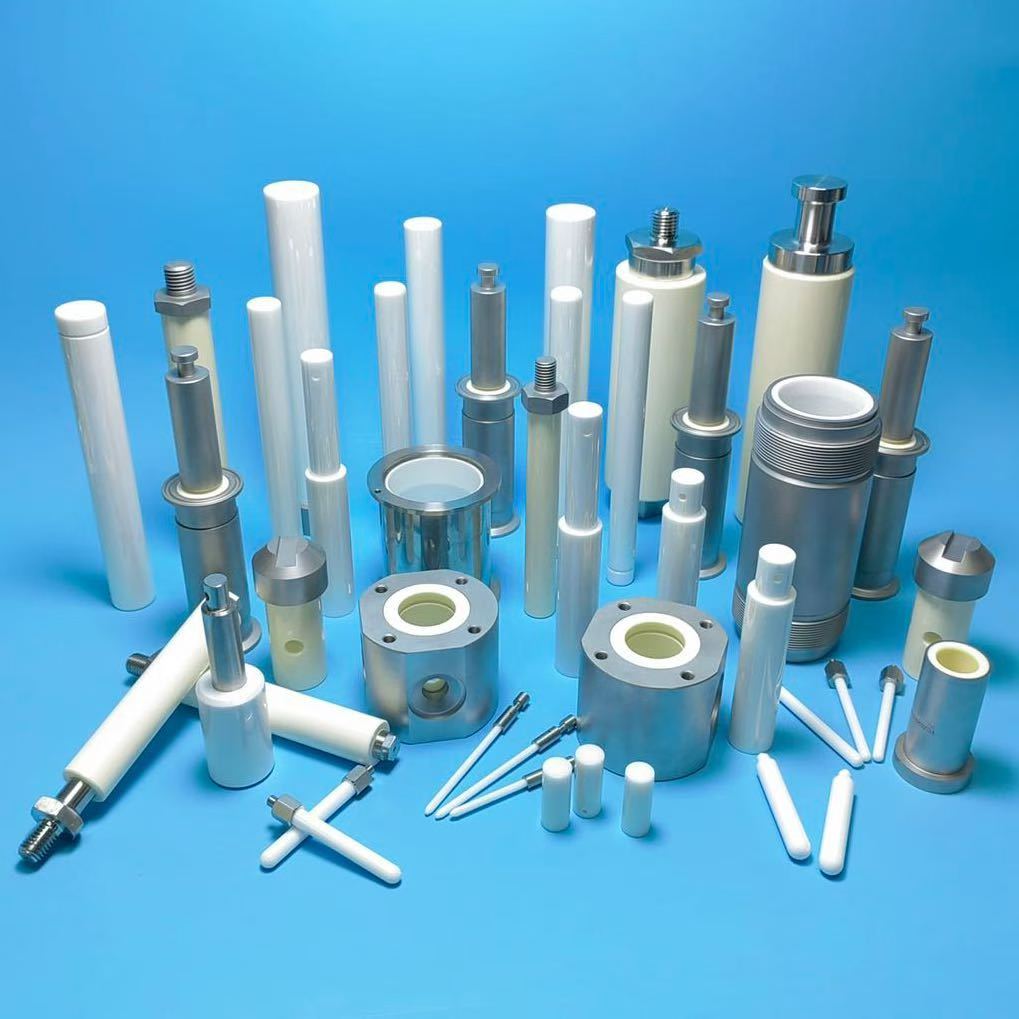
In medical devices, precision ceramics often take the form of insulating components, moving parts, or fluid-handling components, performing specific and essential functions. Leveraging material characteristics such as electrical insulation, wear resistance, chemical media resistance, dimensional stability, and biocompatibility, precision ceramics are applied across diverse scenarios, including surgical instruments, medical analytical equipment, and biomedical devices.
I. At Critical Positions, Material Selection Affects Device Safety and Stability
Where does the application value of precision ceramics in medical devices lie? Consider the electrosurgical hook used in laparoscopic surgery. This instrument uses a front-end electrode for tissue dissection and electrocautery hemostasis. During operation, electrical energy must act precisely at the required front-end location while providing corresponding insulation protection elsewhere. Examining the typical structure of some electrosurgical hooks, the part that actually contacts tissue and participates in electrosurgery is the front-end metal electrode. The ceramic component serves as part of the instrument’s insulation structure, participating in electrical isolation between conductive parts and other structures, while providing structural support for the front-end components.
✅ Why use ceramics in this position? First, ceramics possess excellent electrical insulation properties, complementing the instrument’s overall insulation design to help reduce the risk of unintended current conduction to non-working areas. Second, ceramics exhibit good high-temperature resistance and thermal stability, capable of accommodating the temperature rise generated at the front end during electrocautery. Combined with specific material and surface designs, some products can also mitigate tissue adhesion issues, reducing the need for repeated instrument cleaning during surgery. Meanwhile, ceramic insulating components can be machined into small, precision structures that satisfy both insulation and structural support requirements while helping to minimise the front-end volume and reduce obstruction of the surgical field of view.
Beyond device performance aspects such as insulation and temperature resistance, for medical device components that may come into direct or indirect contact with the human body, material biocompatibility must also be considered. What the industry refers to as biocompatibility means that the material or device, under its intended use and contact conditions, does not provoke unacceptable biological reactions. This must ultimately be evaluated in conjunction with the final product and actual contact scenario.
Common high-performance precision ceramics used for such insulating components include zirconia, alumina, and their composites. Zirconia typically offers higher strength, better fracture toughness, and wear resistance. Alumina provides excellent electrical insulation and high-temperature stability. Composite ceramics such as zirconia-toughened alumina (ZTA) can achieve a balanced combination of insulation, strength, and toughness. The specific material chosen depends on the product structure, operating environment, and performance requirements.
Therefore, when a component occupies a critical position affecting device safety and stable operation, the function served by the ceramic material is no longer “optional.”

II. From Electrical Insulation to Fluid Handling: Precision Ceramics Undertake Diverse Tasks
Ceramic insulating components in surgical instruments represent just one application form of precision ceramics in medical devices. Depending on the equipment and installation position, the tasks undertaken by ceramic components vary accordingly.
In blood, biochemical, and urine analysers, samples and reagents undergo multiple stages, including aspiration, transfer, and dispensing. Ceramic plungers can be used in pump assemblies, participating in liquid intake and discharge through reciprocating motion. Ceramic valve components, through precision channels and mating structures, participate in liquid distribution and channel switching.
Sampling needles are used for aspirating and discharging samples or reagents. They typically feature slender structures with internal channels. Beyond inner bore dimensions and surface condition, perpendicularity is also a critical manufacturing challenge. If a slender component deviates, it may affect assembly, sampling positioning, and equipment operation.
Additionally, precision ceramics are applied in dialysis equipment pump components, biochemical analyser reagent vessels, sapphire windows, and biomedical filling equipment components, participating respectively in precision motion, fluid handling, observation/detection, or structural fitting.
From insulation protection to precision motion, from fluid handling to observation and detection, different scenarios do not require the same type of ceramic component. Rather, they demand a correspondence between material properties, product structure, and application requirements.

III. Ceramic Plungers May Appear Simple, but the Challenge Lies in Long-Term Stable Fit
In the fluid handling stages of medical analytical equipment, ceramic plungers represent a class of typical precision motion components. In simple terms, a plunger’s function resembles that of a syringe plunger rod: it reciprocates within a corresponding pump body structure, participating in liquid intake and discharge through changes in working chamber volume.
However, unlike an ordinary plunger rod, medical analytical equipment requires stable handling of samples or reagents, and the plunger must endure prolonged reciprocating motion, friction, and various media environments. Therefore, material strength, toughness, wear resistance, chemical media resistance, and dimensional stability all affect its actual performance.
Furthermore, the ceramic plunger must maintain appropriate dimensional relationships with mating components. If the product is too thick, too thin, or if coaxiality, perpendicularity, or surface condition fail to meet requirements, motion fit, sealing effectiveness, and operational stability may all be compromised.
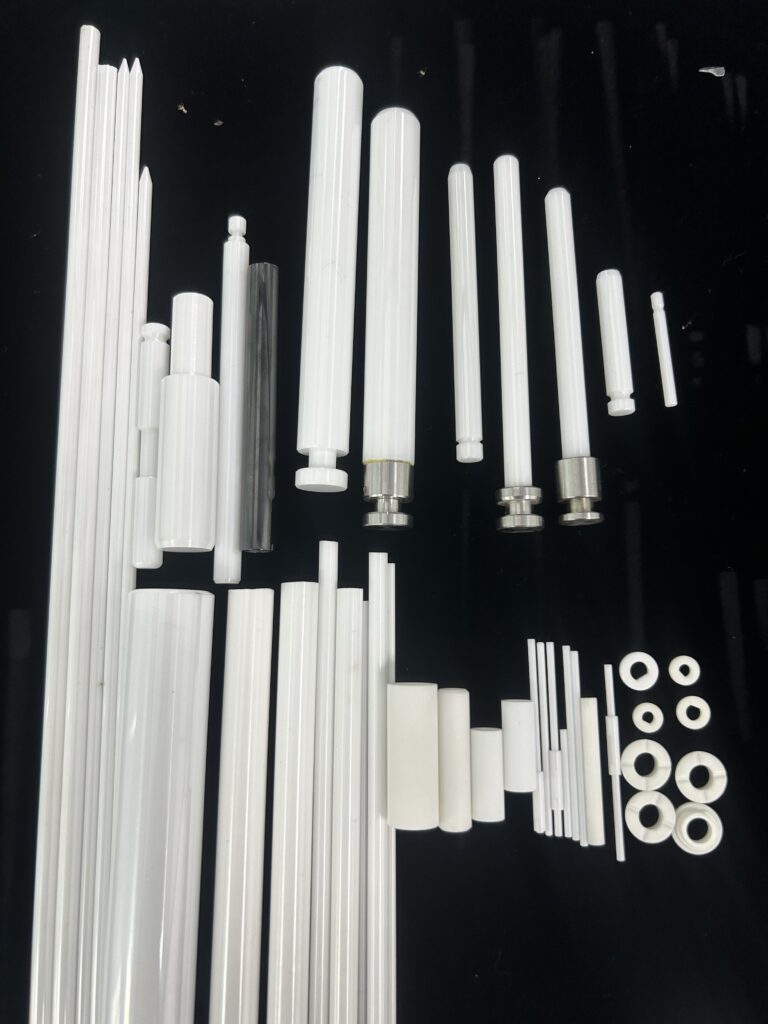
The inherently high hardness and pronounced brittleness of ceramic materials also impose higher demands on machining processes such as outer diameter grinding, end facing, chamfering, slotting, and lapping/polishing. Therefore, manufacturing a ceramic plunger is not simply a matter of “making a ceramic rod.” It requires achieving a proper match among material properties, structural dimensions, machining precision, and surface quality.
IV. Addressing Practical Applications: Xinluo Provides Customised Precision Ceramic Solutions
Most precision ceramic products used in medical devices require customisation based on specific structures and operating conditions. Beyond material selection and product machining, practical issues such as connection, assembly, motion fit, and service life must also be resolved.
Taking the ceramic plunger as an example, Xinluo addresses common issues encountered during product manufacturing and use—connection, installation, precision, and appearance—by combining product structure with processing technology to provide corresponding solutions.
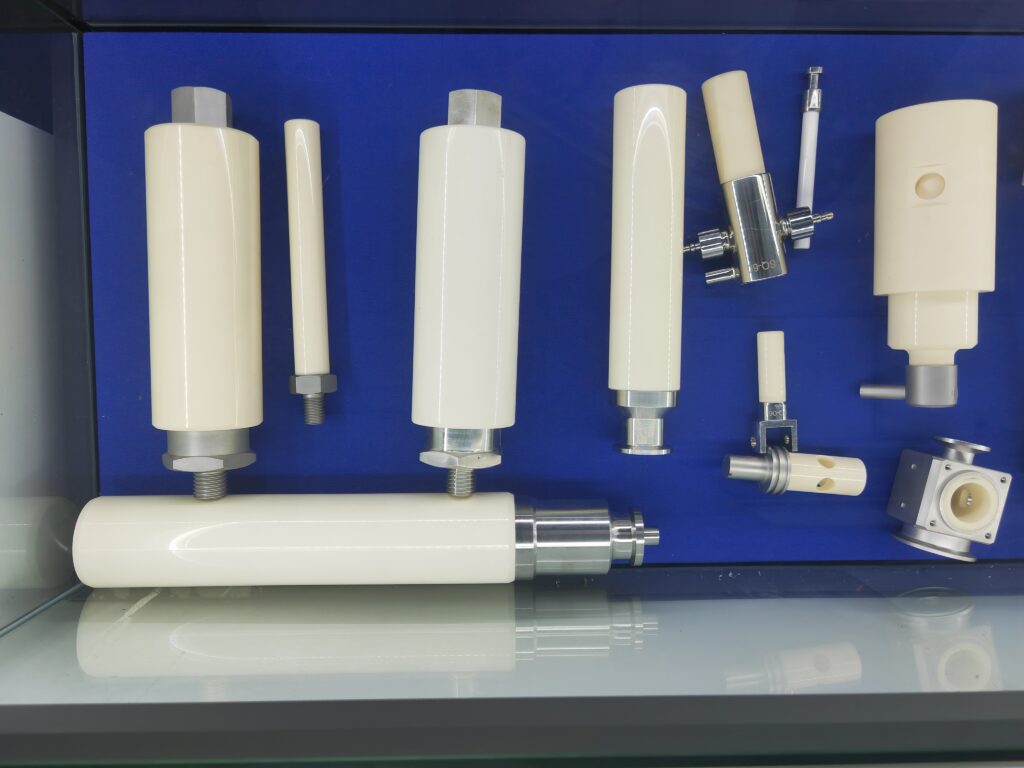
🟢 Issue 1: Ceramic and stainless steel sleeve prone to detachment
The ceramic plunger jacket utilises the principle of thermal expansion and contraction. Through tight-fit assembly, the ceramic jacket is securely connected to the stainless steel sleeve, resisting detachment. Adhesive bonding is also employed to improve plunger sealing and service life.
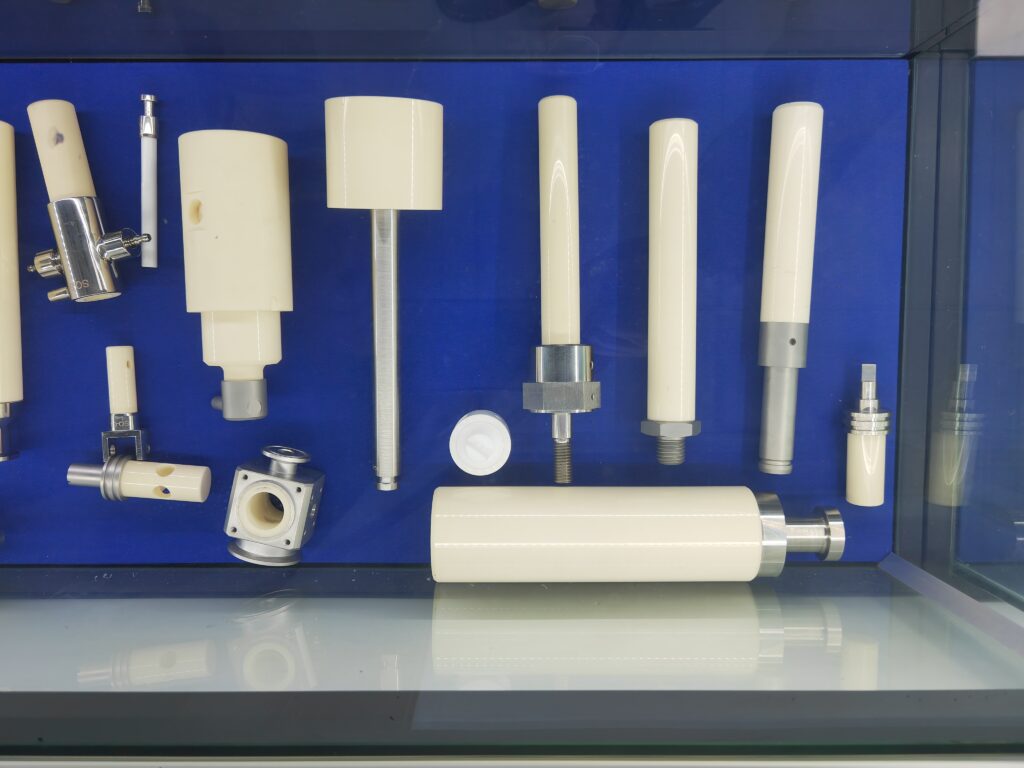
🟢 Issue 2: Plunger rod difficult to install
The plunger shaft adopts a monolithic structure, making installation more convenient and reliable. The plunger jacket features a hexagonal structure and is supplied with a dedicated tool to facilitate subsequent assembly and use.
🟢 Issue 3: Controlling plunger rod coaxiality and perpendicularity
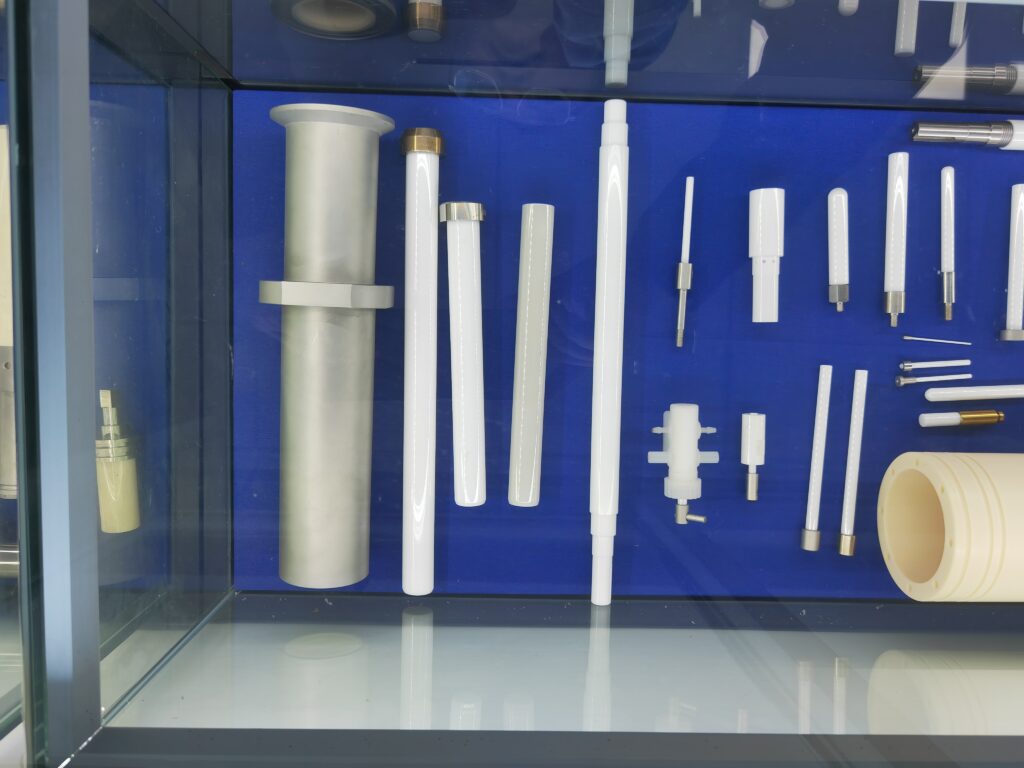
The plunger shaft, jacket, and joint sections are machined on high-precision CNC equipment using a single-setup approach to ensure coaxiality and perpendicularity. The shaft and jacket are assembled with a high-precision fit, and the surface finish can achieve a mirror-like effect, thereby reducing the friction coefficient and improving plunger service life and equipment uptime efficiency.
🟢 Issue 4: Product appearance requirements
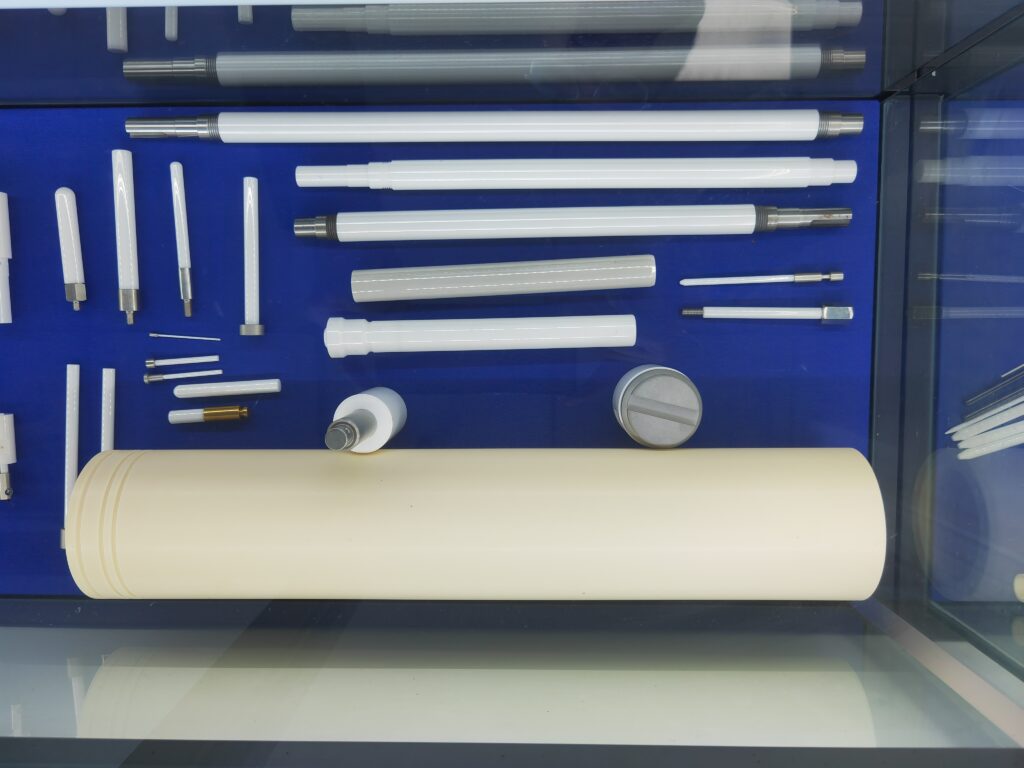
Through control over material selection, precision machining, and lapping/polishing processes, the product meets requirements for a pore-free surface and the specified surface finish.
✅ For these precision ceramic products, Xinluo has established a manufacturing process encompassing in-house powder development, forming, sintering, precision machining, lapping/polishing, and inspection. Xinluo can tailor development and processing to each product’s material, specifications, and structural requirements. From material preparation to precision manufacturing, and onward to solving practical assembly and application issues, Xinluo continuously drives the transformation of material properties into precision ceramic products that meet equipment usage requirements.
Keywords:
#Precision Ceramics for Medical Devices #Precision ceramic machining #Custom precision ceramic manufacturing #Advanced ceramic manufacturing
#Medical Grade Ceramic Components #Custom technical ceramic components #Precision ceramic grinding #Ceramic lapping and polishing
#Precision Ceramic Components for Medical Equipment #High precision ceramic machining services #Ceramic component dimensional inspection
#Medical Ceramic Components #Custom alumina ceramic components #Custom zirconia ceramic components
#Ceramic Plungers for Medical Equipment #Zirconia-toughened alumina components #Precision ceramic component manufacturer
#Precision Ceramic Plungers
#Custom Precision Ceramic Components
#Advanced Ceramics for Medical Applications
#Precision ceramic components for medical analyzers
#Ceramic components for laboratory analyzers
#Ceramic components for biochemical analyzers
#Ceramic components for clinical diagnostic equipment
#Precision ceramics for laboratory equipment
#Ceramic components for medical testing equipment
#Precision ceramic parts for analytical instruments
#Ceramic components for reagent dispensing systems
#Ceramic fluid control components for diagnostic equipment
Medical Ceramics:
Medical ceramic rods are made of high-purity zirconia or alumina ceramic, featuring excellent biocompatibility, high strength, wear resistance, corrosion resistance and non-toxicity. They are widely used in surgical instruments, medical implants, dental tools, diagnostic equipment and precision medical devices, ensuring safety, stability and long service life in harsh medical environments.
🌏 For more product information, please click the link below to read:
https://xinluoceramic.com/product-category/medical
1. Medical Equipment Precision Ceramics Applications
- What are precision ceramics used for in medical devices?
- What are the benefits of advanced ceramics in medical equipment?
- Why are ceramic components used in medical devices?
- What properties make ceramics suitable for medical equipment?
- What types of ceramic components are used in medical devices?
- How are precision ceramic components used in medical analytical equipment?
- What are the applications of technical ceramics in medical devices?
- How do ceramic components improve the reliability of medical equipment?
2. Ceramic plungers and fluid handling
- What is a ceramic plunger used for in medical equipment?
- Why are ceramic plungers used in biochemical analyzers?
- What materials are used for precision ceramic plungers?
- What factors affect the performance of ceramic plungers?
- How does dimensional accuracy affect ceramic plunger performance?
- Why are coaxiality and perpendicularity important for ceramic plungers?
- How are precision ceramic plungers manufactured?
- Can ceramic plungers be customized for medical analytical equipment?
- What are the advantages of ceramic pump components?
- How do ceramic components perform in precision fluid handling systems?
3. Material Selection and Properties
- Which ceramic materials are used in medical devices?
- What is the difference between alumina and zirconia ceramics?
- Why is alumina used for electrical insulation components?
- When is zirconia ceramic suitable for precision components?
- What is zirconia-toughened alumina (ZTA)?
- How do ceramic materials resist wear and chemical exposure?
- What factors should be considered when selecting ceramics for medical equipment?
- How is ceramic material selection related to component reliability?
4. Custom Manufacturing and Supplier Sourcing
- Who manufactures custom precision ceramic components for medical equipment?
- Where can I source precision ceramic plungers for medical analyzers?
- Which manufacturers offer custom ceramic machining services?
- Can precision ceramic components be manufactured according to engineering drawings?
- What manufacturing processes are used for custom ceramic components?
- How do manufacturers control dimensional tolerances in ceramic plungers?
- What should medical equipment manufacturers consider when sourcing ceramic components?
- How can I find a manufacturer of custom alumina ceramic components?
- What information is needed to manufacture a custom ceramic plunger?
- How do precision ceramic manufacturers ensure consistent component quality?
